ARTISTIC APPROACH
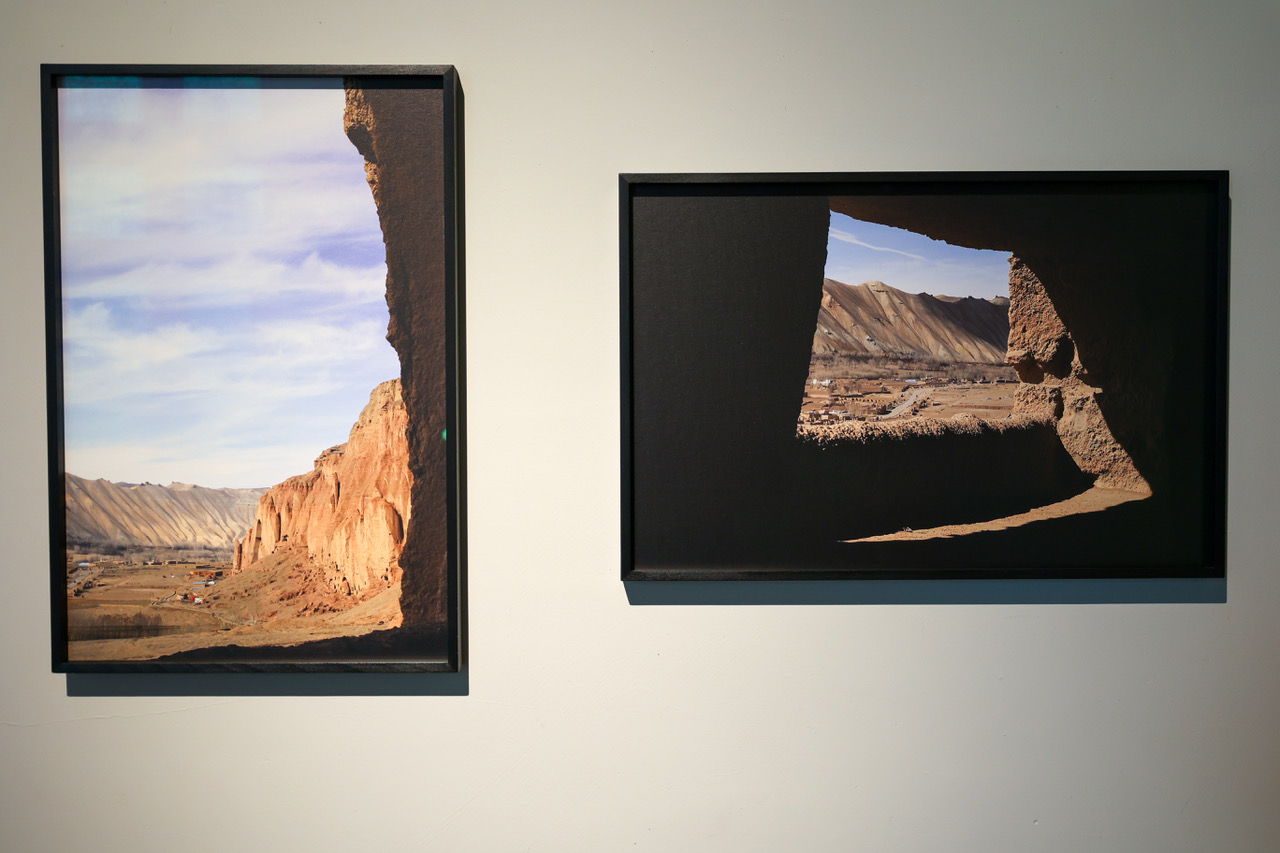
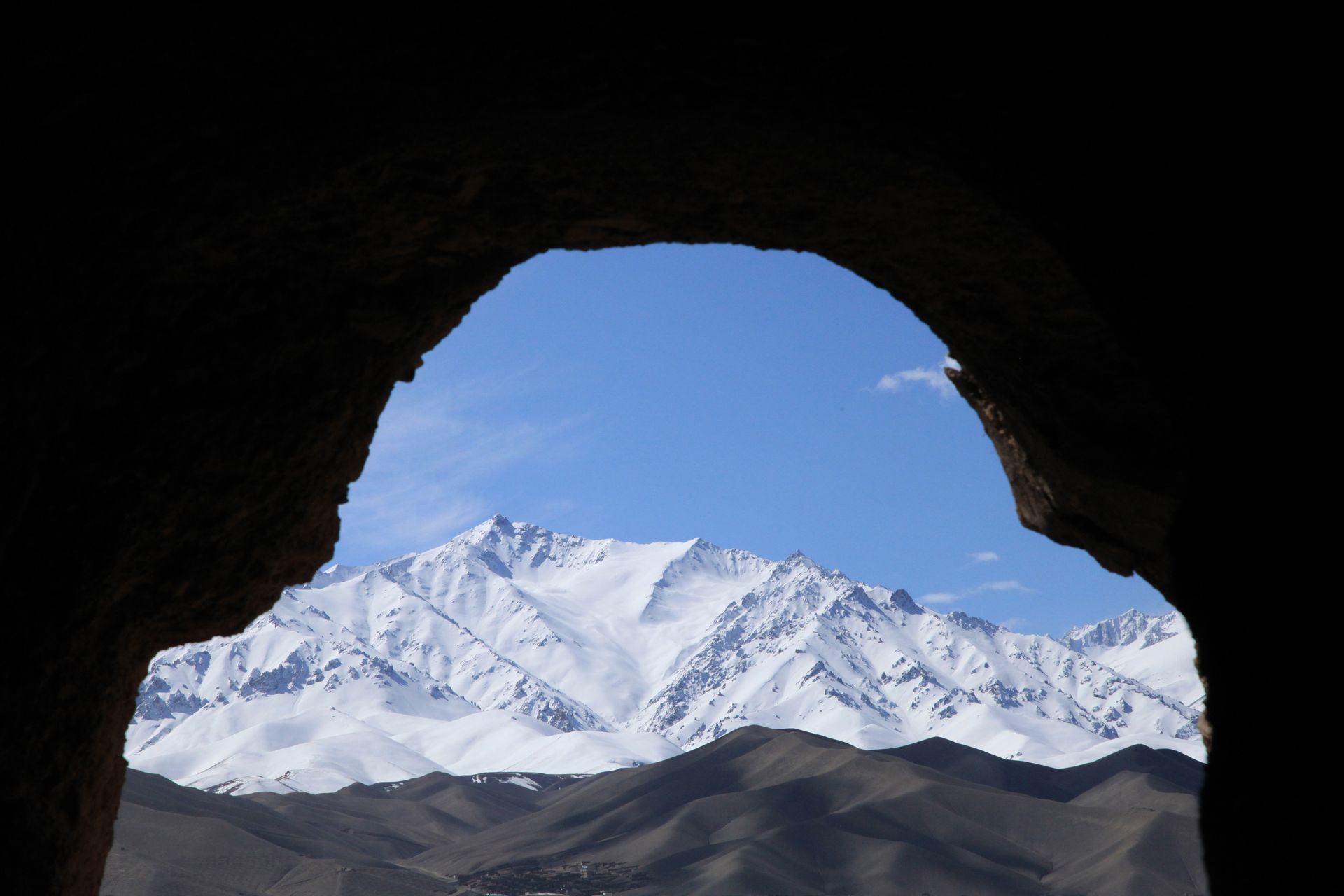
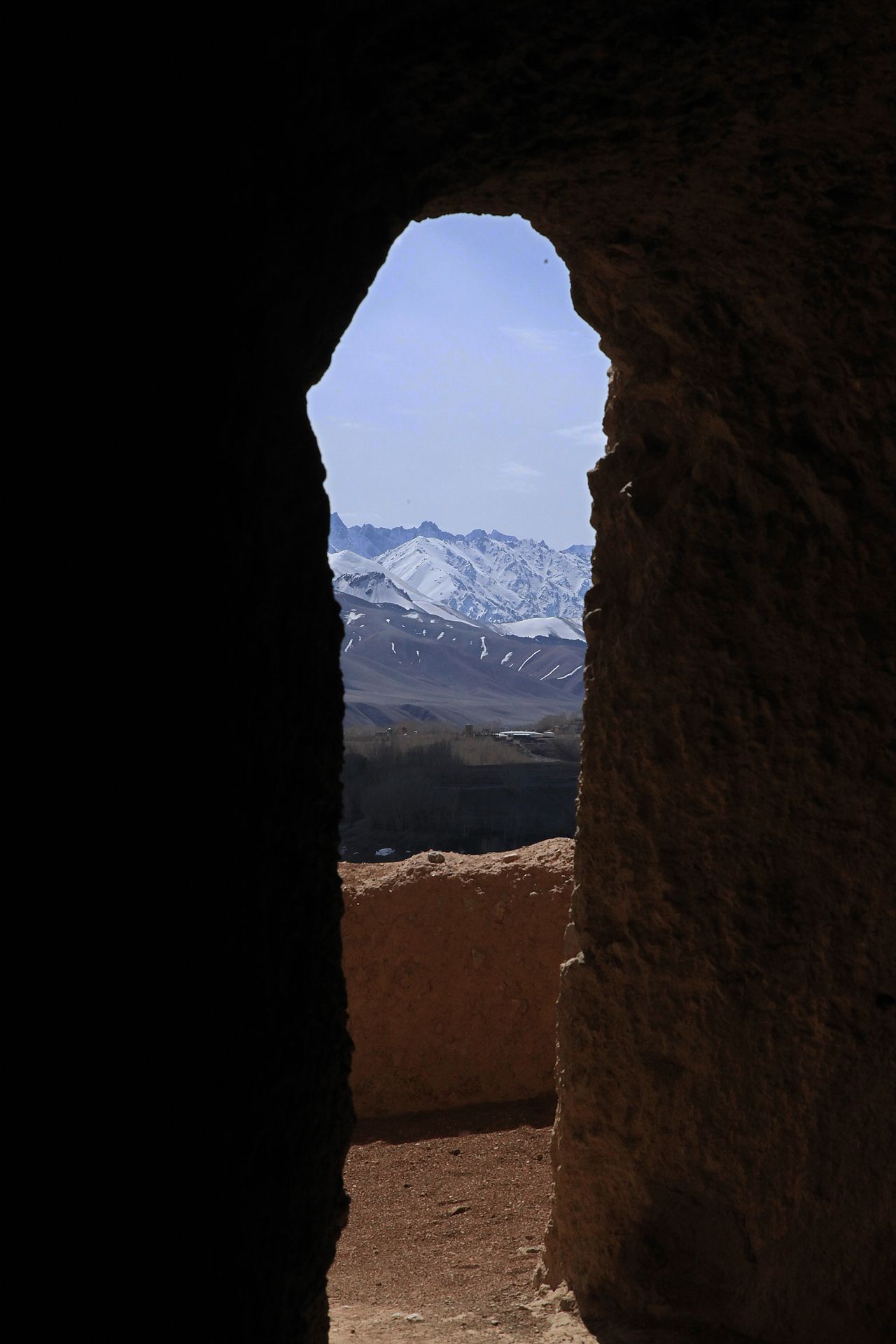
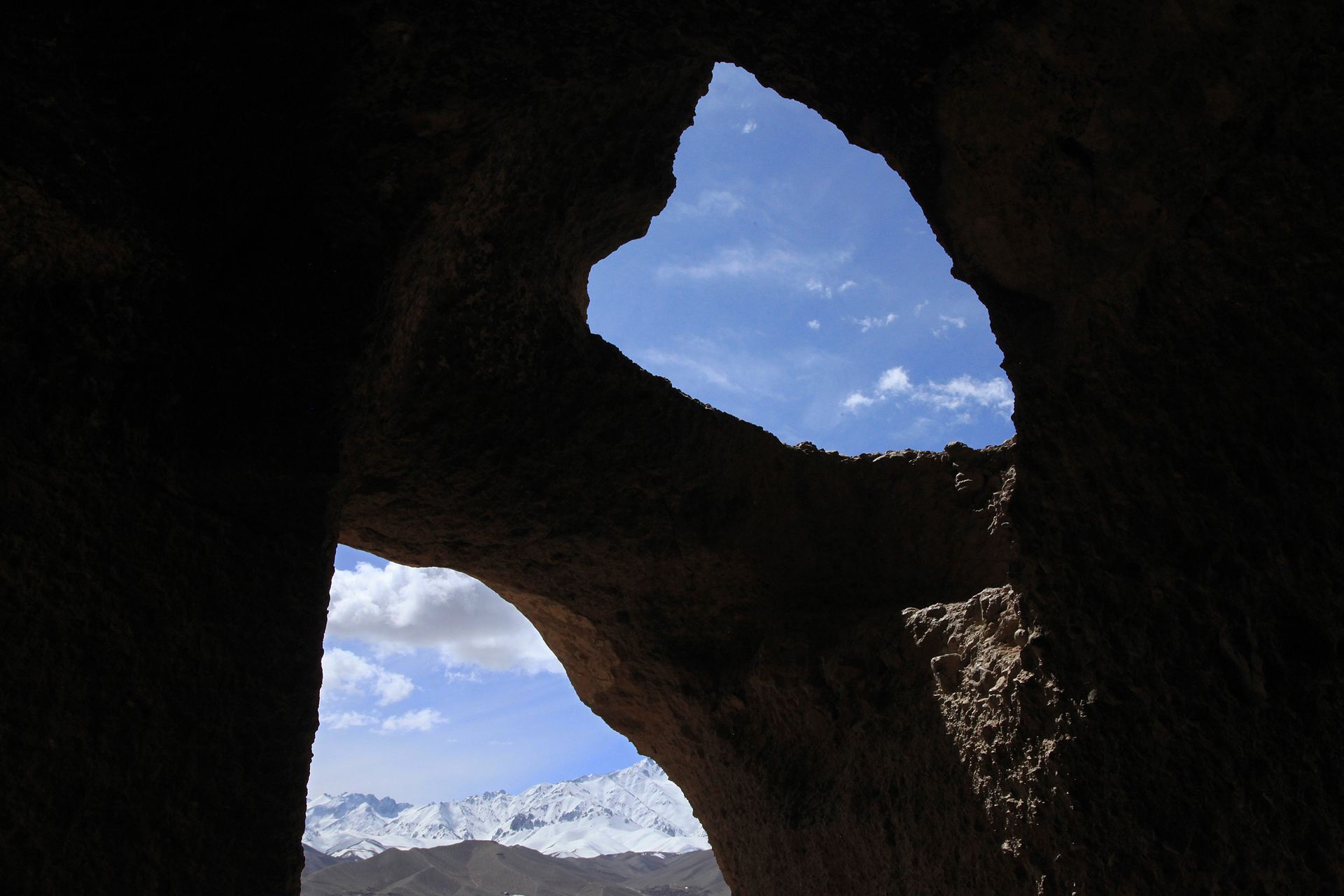
Pascal Convert is a filmmaker, visual artist, photographer and writer. He is a profound and multi-talented artist, obsessed with the traces and marks left behind of places of human suffering, whose memory he preserves in multiple ways. The unusual photographs of the landscape of Bamiyan, which are being exhibited at Chaumont-Photo-sur-Loire, were taken by the artist when he visited Afghanistan in 2016. They do not show the famous ruined cliff face, but instead what the Buddhas would have ‘seen’ - the magnificent landscape which can be savoured from the monks’ cells carved in sandstone in the 6th century A.D.“My work is similar to that of an archaeologist. I am not a discoverer but an inventor who brings to life previously unseen places. The term ‘invention’ is attributed to the discovery by an archaeologist of something which had often existed for centuries. By discovering a site during an excavation, the archaeologist becomes its ‘inventor’ and the one who will tell the story, opening a whole new journey.” Looking after memories and fighting against forgetting are at the heart of the artist’s work. “It is part of a great Buddhist tradition to choose the Bamiyan cliff to set up a rock shrine amongst all the thousands of natural caves found there. On the Silk Road, it is in these caves suspended between heaven and earth linked by tunnels that the heirs of the mountain hermitages - in which Siddhartha found enlightenment - found refuge. Contemplating the snow-covered mountains from these interior spaces, protected from the wind and sun, as well as from bad weather, invites meditation. It was in this remoteness, in the darkness of time, that the Buddha of compassion, listening to the murmurings of the world in the purity of the air, opened his thousand eyes and saw each person’s misfortunes.
Even though there are no more monks and wisdom seems to have deserted this place where barbarism has been present, the thousand eyes of the Bamiyan cliff rising up to the clouds, saddened by the destruction in 2001 by the Taliban of the two great deities with their smiling and humble faces, are still watching the children of Hazaradjat climb the slopes of the cliff day after day in search of a world which will welcome them.” Pascal Convert
BIOGRAPHICAL NOTES
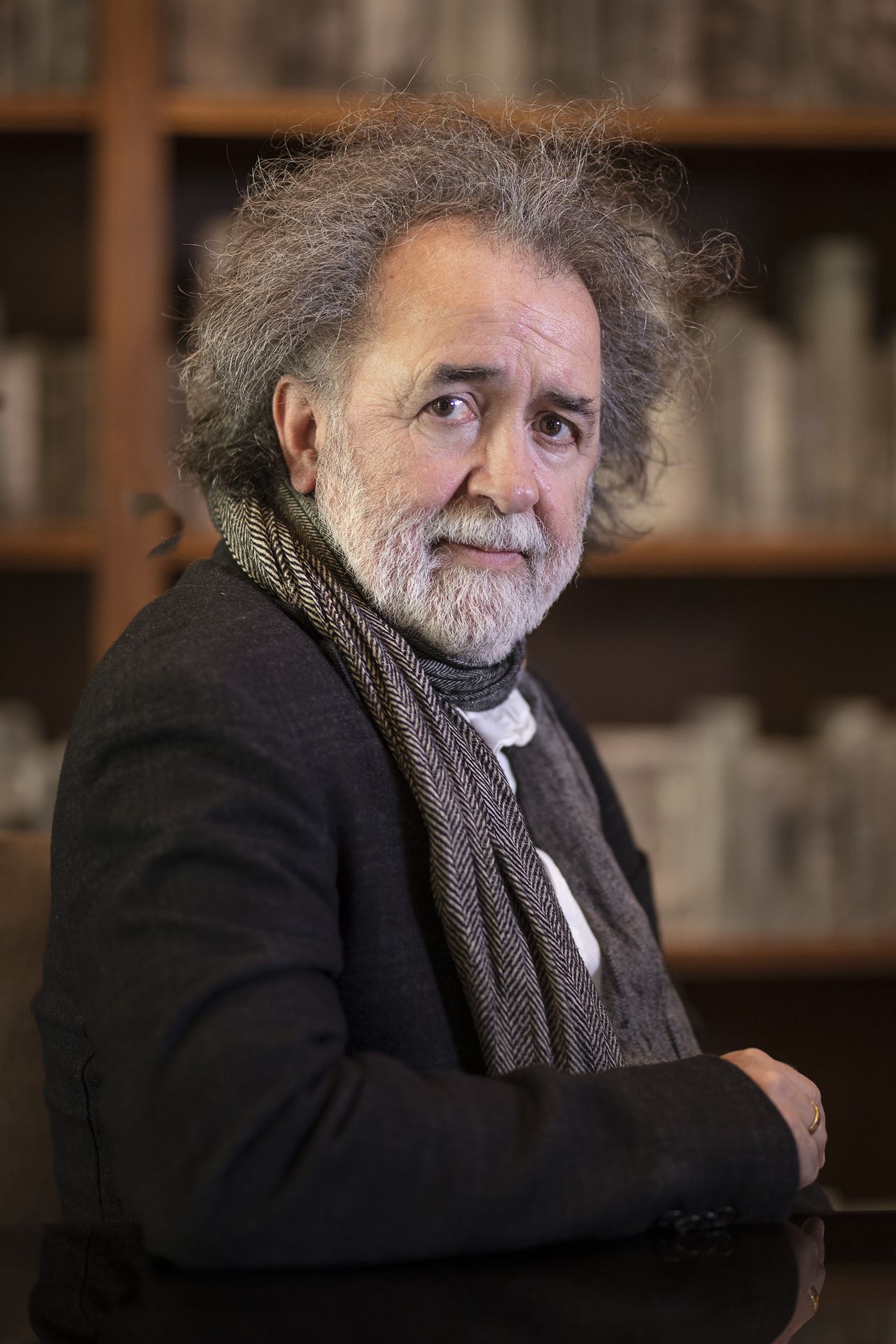
The son of an artist, Pascal Convert was born in 1957 in Mont-de-Marsan. He is a visual artist, writer and director, and defines his work as the archaeology of architecture, childhood, history, the body and time. He uses materials such as glass and wax to evoke the passage of time, light and the lasting effects of the past. In 1987, while he was living in Bordeaux, he covered the wooden panelling in one room of his apartment with plate glass, which formed the first in his series entitled Appartement de l’artiste. In 1989 and 1990 he was resident at the Villa Médicis in Rome, and in 1992 his first major solo exhibition was held at the CAPC (Contemporary Art Museum) in Bordeaux. In 1997 he was invited by the philosopher and art historian Georges Didi-Huberman to take part in the L’Empreinte exhibition at the Centre Pompidou alongside Giuseppe Penone, Man Ray, Alain Fleischer and others. Georges Didi-Huberman would go on to write several books about Convert’s work (published by Éditions de Minuit) and include him in numerous exhibitions. In 2002 he unveiled his memorial to resistance fighters and hostages, the Mont Valérien, aux noms des fusillés .
In 2007 his exhibition Lamento at Mudam in Luxembourg featured wax sculptures inspired by iconic press photos: La Pietà du Kosovo Raymond Aubrac: résister, reconstruire, transmettre (Seuil, 2011), and made two documentary films about this leader of the French Resistance. Two years later the autobiographical story La Constellation du Lion (Grasset) was published. In 2014, he took part in the Busan Biennale in South Korea and the group exhibition La Guerre qui vient n’est pas la première: 1914-2014
at the Museum of Modern and Contemporary Art of Trento and Rovereto in Italy. In 2016, he took part in the interdisciplinary exhibition,Soulèvements Panoramique de la Falaise de Bâmiyânat the Musée Guimet and Louvre Lens. He also created a work for the Dôme des Invalides as part of the Napoléon? Encore exhibition. At the Domain of Chaumont-sur-Loire, he designed an incredible crystallized children’s room in the former guest apartments, continuing an initiative begun in 2020 in the Château’s library and the Historic Grounds. La Constellation du Lion (Grasset). En 2014, il participe à la Biennale de Busan en Corée du Sud et à l’exposition collective La Guerre qui vient n’est pas la première : 1914-2014 au Musée d’art moderne et contemporain de Trente et Roverento en Italie.
En 2016, il participe à l’exposition transdisciplinaire Soulèvements au Jeu de Paume. L’année est surtout marquée par une invitation de l’ambassade de France en Afghanistan à commémorer le 15“My work is similar to that of an archaeologist. I am not a discoverer but an inventor who brings to life previously unseen places. The term ‘invention’ is attributed to the discovery by an archaeologist of something which had often existed for centuries. By discovering a site during an excavation, the archaeologist becomes its ‘inventor’ and the one who will tell the story, opening a whole new journey.” Looking after memories and fighting against forgetting are at the heart of the artist’s work. anniversaire de la destruction des Bouddhas de Bâmiyân par les talibans. Pascal Convert monte une mission en partenariat avec la société ICONEM, spécialisée dans l’archéologie des zones de conflit. Avec des drones, il scanne la totalité de la falaise de Bâmiyân, et laisse les images en libre accès à la communauté scientifique mondiale. Avec un appareil de haute précision il fait une “empreinte photographique” du lieu où les statues monumentales ont été sculptées il y a environ 1 600 ans.
En 2019, la Galerie Éric Dupont lui consacre une exposition personnelle, Trois arbres, un travail autour des écorces de bouleau du crématoire V d’Auschwitz-Birkenau, d’un cerisier atomisé d’Hiroshima et des arbres de vie en pierre des “khatchkars” arméniens.
En 2021, il présente une double exposition du Panoramique de la falaise de Bâmiyân au Musée Guimet et au Louvre Lens, et créée une œuvre pour le Dôme des Invalides dans le cadre de l’exposition Napoléon ? Encore. Au Domaine de Chaumont-sur-Loire, il conçoit dans les anciens appartements des invités une incroyable chambre d’enfant cristallisée, poursuivant une aventure entamée en 2020 dans la bibliothèque du Château et le Parc Historique.